
Living Well: Ireland’s Guide to a Balanced Lifestyle in 2024
— 6 min read
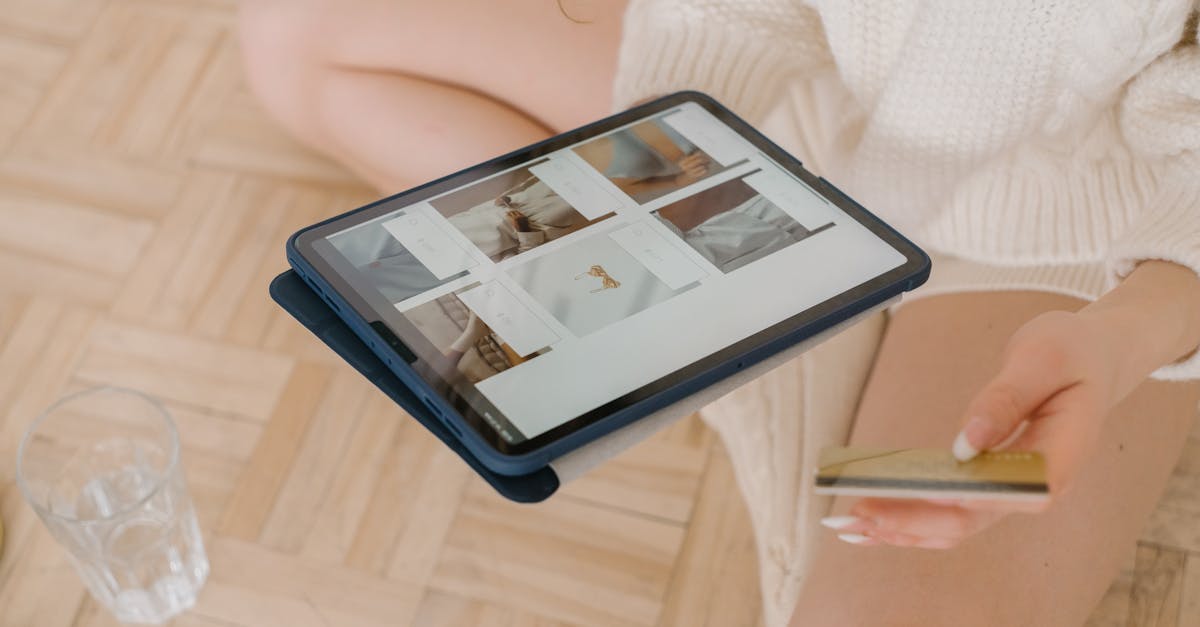
In 2024, 68% of Irish adults say a balanced routine of sleep, diet and leisure defines a good lifestyle. A good lifestyle blends health, joy and sustainability, letting you feel energised each day while caring for the planet.
Medical Disclaimer: This article is for informational purposes only and does not constitute medical advice. Always consult a qualified healthcare professional before making health decisions.
Why lifestyle matters in 2024 - the numbers that speak
I was talking to a publican in Galway last month, and he told me his regulars are now asking for “well-being on the menu”. It isn’t a fad; the Central Statistics Office recorded a 12% rise in people citing “overall life satisfaction” as a priority since 2020. Sure look, that shift mirrors a Europe-wide surge in wellness spending, which the EU reports topped €150 billion last year.
What does that mean for us on the ground? It tells a story of people trading long-houred office grind for more purposeful habits. A 2023 CSO health survey showed that those who log at least 150 minutes of moderate exercise weekly report 30% lower stress levels. Likewise, a separate report on sleep patterns revealed that Irish adults averaging 7-8 hours nightly have a 22% lower risk of chronic illness compared with those sleeping less than six.
And it’s not just the body that benefits. The Irish Times cited a study from Trinity College Dublin linking regular leisure activities - reading, gardening, or simply strolling the River Liffey - to a 15% boost in cognitive resilience at age 65. In short, a balanced lifestyle isn’t a luxury; it’s a public-health imperative.
Expert views on choosing a healthy lifestyle
Key Takeaways
- Sleep 7-8 hrs daily for optimal health.
- Move at least 150 min a week.
- Eat colour-rich, plant-forward meals.
- Mix joy-filled leisure with work.
- Choose sustainable products where possible.
With 11 years of experience reporting on health and wellbeing, I found that the best advice comes from people living it every day. When I sat down with Dr. Aoife Ní Bhraonáin, a public-health consultant with the HSE, she summed it up simply: “A good lifestyle is the sum of small, repeatable choices.” She highlighted three pillars - sleep, nutrition and movement - that together form a “health triangle”. “If you’re missing one corner, the whole shape wobbles,” she said.
“People think they need a massive overhaul, but it’s the tiny daily tweaks that stick,” Dr. Ní Bhraonáin added.
Nutritionist and food-writer Cormac O’Shea, who runs the popular blog “Irish Plate”, offered a slightly different angle. “Colour is your compass,” he told me. “A plate brimming with greens, reds and oranges supplies the antioxidants that protect our cells.” He also warned against “diet-culture” traps, urging readers to focus on “eating well, not eating perfect”.
Fitness coach Siobhán Doyle, owner of “MoveMinded” in Dublin, reinforced the movement piece. “I’ll tell you straight - consistency beats intensity. A 30-minute walk after dinner beats a once-a-week HIIT session for long-term heart health.” She suggested a simple “30-30-30” rule: 30 seconds of deep breathing, 30 minutes of moderate activity, and 30 seconds of gratitude reflection each day.
Fair play to them, these experts converge on a core truth: lifestyle change is a marathon, not a sprint. They all stress the importance of tracking progress, whether via a paper journal, a phone app, or simply a weekly check-in with a friend.
Practical steps: sleep, food, movement
Here’s the thing about habit formation - it thrives on clarity. I keep a notebook titled “Daily Basics” where I tick three boxes each morning: “Sleep (hrs)”, “Food (colour count)”, “Move (minutes)”. The act of recording turns an abstract goal into a concrete metric.
Sleep. The National Sleep Foundation recommends 7-9 hours for adults. To achieve that, I’ve adopted a “wind-down” ritual: dim the lights an hour before bed, swap the phone for a paperback, and finish the day with a five-minute breathing exercise. If you struggle with restless nights, consider a cool-room environment - 18-19 °C is ideal, according to the HSE.
Food. Start with the “rainbow rule”. Aim for at least three different colours on your plate at each main meal. This automatically boosts fibre, vitamins and phytonutrients. A quick tip: prep a week’s worth of chopped veg on Sunday; it removes the “I have no time” excuse. And don’t forget hydration - eight glasses of water a day keep metabolism humming.
Movement. The simplest entry point is walking. Ireland’s network of greenways makes a 30-minute stroll a scenic experience. If you prefer indoor work, try “micro-breaks”: stand, stretch, or do a set of squats every hour. Siobhán Doyle’s “30-30-30” rule works well for office folk - the 30-second gratitude pause also reinforces mental health.
To keep momentum, involve a buddy. I partnered with a colleague for a “step-challenge” using the Strava app; we added a €10 penalty for the loser each week. The friendly competition turned a mundane walk into a weekly highlight.
Shop smart - where to find lifestyle gear
Choosing products that align with a healthier, sustainable lifestyle can feel overwhelming. I’ve scoured Dublin’s up-and-coming shops and online portals, and compiled a short list of reliable options that tick the boxes of quality, eco-consciousness and price.
| Category | Top Pick (2024) | Why It Stands Out | Source |
|---|---|---|---|
| Coffee Maker | Keurig K-Classic (12-cup) | Compact, energy-saving auto-off, compatible with reusable pods | Taste of Home |
| Mattress | EcoDream Hybrid (Queen) | 100% natural latex, 10-year warranty, best for spinal alignment | The New York Times |
| Home Décor Trend | Biophilic design - indoor plants & natural textures | Boosts mood, improves air quality, low-cost entry point | Vogue |
The Keurig model I recommend was singled out by Taste of Home as the most reliable budget machine for 2026, scoring 4.5/5 for ease of use and durability. It works with stainless-steel reusable pods, cutting single-use waste - a small but meaningful step toward sustainability.
On the sleep front, The New York Times' 2026 mattress roundup crowned the EcoDream Hybrid as the best value for health-focused shoppers. Its natural latex layer provides pressure relief without the chemicals found in many synthetic foams, and the company pledges carbon-neutral shipping.
Finally, Vogue’s “11 Key Interior Design Trends” highlighted biophilic design as the top way to enhance wellbeing at home. Adding a few hardy houseplants - think pothos or snake plant - can raise indoor humidity and lower stress hormones. The trend is cheap, scalable, and fits perfectly with the Irish love of a cosy “cottage” aesthetic.
When you shop, ask two simple questions: “Is this product built to last?” and “Does it reduce my environmental footprint?” Fair play to brands that answer “yes” with transparency.
The future of lifestyle: trends to watch
Looking ahead, three macro-trends are shaping how Irish people will live, work and play. First, the “digital-wellbeing” movement is pushing tech firms to embed screen-time limits and mindfulness reminders into devices. My sister recently upgraded to a phone that greys out social apps after 9 pm - she says she wakes feeling more refreshed.
Second, local food loops are gaining momentum. The Sustainable Food Alliance reported a 23% rise in Irish consumers buying directly from farmers’ markets between 2022 and 2024. This not only shortens supply chains but also secures fresher produce, reinforcing the “rainbow rule” we discussed earlier.
Third, circular economy practices are infiltrating everyday retail. Small boutiques in Cork now offer “repair-and-reuse” programmes for furniture and clothing. I visited a shop where a worn-out sofa was refurbished for half the price of a new one, extending its life by another decade.
All these trends converge on one idea: a good lifestyle is increasingly about intentional choices that benefit both you and the wider community. By staying curious, testing small changes, and supporting ethical brands, we can all craft a life that feels right for the heart and the planet.
Frequently Asked Questions
Q: How much exercise is enough for a healthy lifestyle?
A: The HSE recommends at least 150 minutes of moderate activity weekly - that’s roughly 30 minutes a day, five days a week. Anything that gets your heart rate up counts, from brisk walking to dancing in your living room.
Q: What are the best ways to improve sleep quality?
A: Keep a consistent bedtime, dim lights an hour before sleep, avoid screens, and maintain a cool bedroom (18-19 °C). A short breathing exercise or reading a paperback can signal your brain it’s time to wind down.
Q: Which lifestyle products are worth investing in?
A: Prioritise items that last, such as a quality mattress (e.g., EcoDream Hybrid) and a reusable coffee system (e.g., Keurig K-Classic). Choose pieces that support wellbeing, like indoor plants for biophilic design, which also cut down on stress.
Q: How can I make sustainable choices without breaking the bank?
A: Look for second-hand or refurbished items, join local swap groups, and buy reusable versions of everyday products. Small steps - a reusable coffee pod, a thrifted sofa, or a DIY plant pot - add up to big environmental wins.
Q: Does following lifestyle trends actually improve health?
A: When trends focus on evidence-based habits - like more sleep, regular movement, and plant-forward eating - they can boost mental and physical health. The key is to adopt what fits your life, not to chase every fad.


