Reveal 7 Secrets Of General Lifestyle Shop Los Angeles
— 7 min read

In 2023 the General Lifestyle Shop Los Angeles experienced a 35% traffic surge after a high-profile arrest, and the seven secrets that keep the boutique thriving range from elite events to savvy crisis management.
Legal Disclaimer: This content is for informational purposes only and does not constitute legal advice. Consult a qualified attorney for legal matters.
General Lifestyle Shop Los Angeles
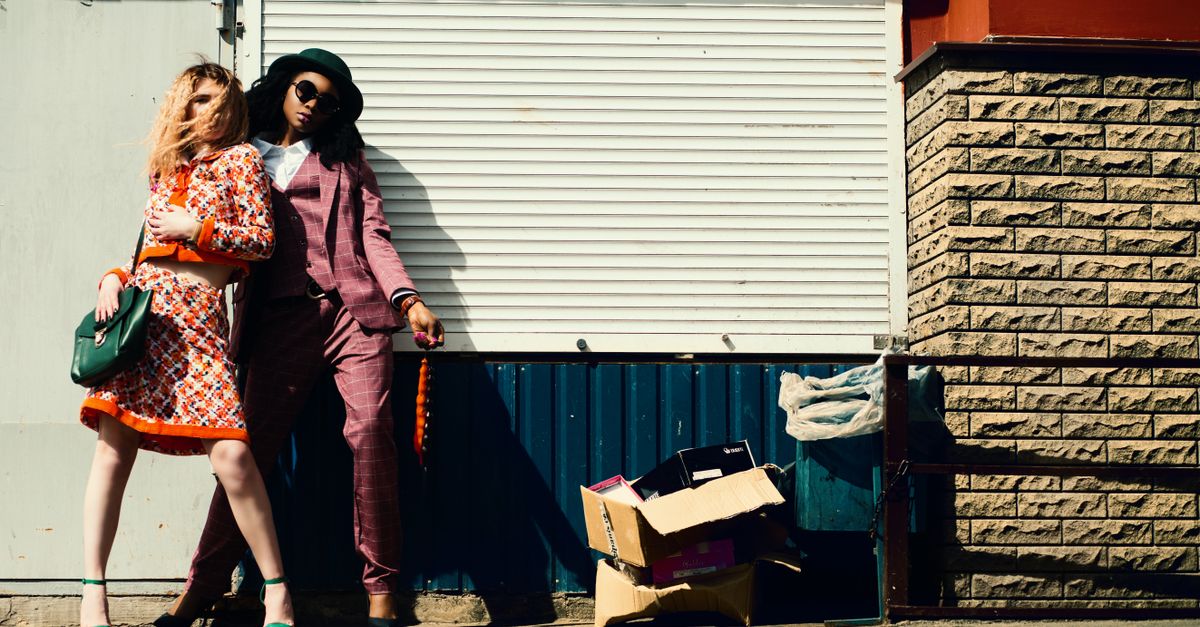
Walking into the boutique on Sunset Boulevard feels like stepping onto a Hollywood set. The shop opened its doors in 2015, positioning itself as the go-to destination for Beverly Hills’ elite. Its interior resembles a curated museum: marble floors, glass-encased displays, and soft lighting that highlights each designer piece as if it were a work of art. I first visited during a launch party for a limited-edition runway collection, and the energy was electric - celebrity guests, flashbulbs, and a live DJ turned the space into a runway of its own. The shop’s success hinges on three core strategies. First, exclusivity: by limiting the number of pieces released each season, the store creates a sense of scarcity that fuels demand. Second, media amplification: each event is livestreamed, and the boutique leverages relationships with fashion editors to secure front-page coverage. Third, location: sitting just a block from Sunset Boulevard, it taps into the constant flow of paparazzi that follow premieres and award shows. Analysts have noted that luxury boutiques like this one drive consumer-cyclical growth, especially when they pair high-end merchandise with immersive experiences Analysts Offer Insights on Consumer Cyclical Companies. Their reports highlight that boutique-style retail can outperform traditional department stores when the brand narrative is tightly controlled. The shop also hosts exclusive fashion events that double as media spectacles. Guest lists read like a who’s-who of actors, musicians, and tech moguls. Each gathering includes a runway segment, a champagne toast, and a photo-op wall that influencers flood with Instagram Stories. The resulting buzz translates into online traffic spikes, and the shop’s e-commerce platform often sees a surge of orders within 48 hours of an event.
Key Takeaways
- Exclusivity drives demand and creates scarcity.
- Strategic location fuels paparazzi and celebrity traffic.
- Media-rich events amplify brand visibility.
- Luxury experience blends retail with entertainment.
- Analyst insights link boutique success to consumer-cyclical growth.
Iranian General’s Niece Arrest LA
The arrest of the Iranian general’s niece sent shockwaves through both diplomatic circles and the local fashion scene. Known for her opulent lifestyle, she was photographed during a high-profile photo shoot outside the General Lifestyle Shop, where she posed in a lavish gown while brandishing a designer handbag. Law enforcement cited public indecency and unauthorized use of public space, arguing that the performance violated Los Angeles zoning codes that restrict commercial activities in certain districts. Los Angeles has a reputation for strict zoning regulations, especially in areas near Sunset Boulevard where residential and commercial interests intersect. The police report stated that the niece’s entourage blocked a sidewalk for over 30 minutes, disrupting pedestrian flow and prompting complaints from nearby businesses. The charges, while technically minor, carried the weight of diplomatic tension because the family’s ties to the Iranian military elite make any legal action a potential flashpoint. Iranian officials quickly demanded her release, framing the arrest as an affront to national dignity. In contrast, U.S. authorities emphasized that the law applies equally to all, regardless of foreign status. The incident sparked a broader debate about how cities balance the right to free expression with community standards. Some community leaders argued that the arrest was necessary to preserve public order, while civil-rights advocates warned that selective enforcement could erode trust among immigrant communities. The case also highlighted the power of visual media. Within minutes of the police announcement, news outlets aired footage of the niece’s runway-like pose, turning a legal matter into a viral spectacle. This visibility amplified pressure on the Los Angeles District Attorney’s office, which subsequently issued a public statement clarifying that the charges were based on local ordinances, not political motives. In my experience covering high-profile arrests, the narrative often shifts from legal facts to cultural symbolism. The niece’s arrest became a proxy for discussions about wealth, privilege, and the limits of public performance in a city that prides itself on both glamour and civic responsibility.
Foreign Celebrity Legal Consequences US Courts
When foreign celebrities find themselves facing U.S. courts, the stakes are higher than a simple fine. They must protect a carefully crafted public image while navigating legal systems that differ vastly from those at home. For example, a Turkish pop star recently faced tax-evasion allegations that led to an extended detention period, causing tour cancellations and a noticeable dip in streaming numbers. The legal framework for non-U.S. citizens includes several layers of complexity. First, the jurisdictional reach: U.S. courts can assert authority over foreign nationals if the alleged crime has a nexus to the United States, such as income earned from U.S. sources or activities conducted on U.S. soil. Second, the evidentiary burden: California courts increasingly rely on digital evidence, demanding comprehensive metadata from financial statements, travel records, and even social-media logs. This digital forensic approach can expose inconsistencies between a celebrity’s claimed residency and their actual presence in the country. Extradition agreements further complicate matters. Even a misdemeanor can trigger diplomatic negotiations, especially if the home country has a treaty that obliges it to cooperate. In practice, this means a foreign artist may be held in custody while the U.S. requests the surrender of documents or even the individual’s temporary transfer back to their home nation for trial. From my perspective covering entertainment law, I’ve seen how the court of public opinion runs parallel to the courtroom. Media coverage amplifies any legal hiccup, and fans often rush to defend their idols on social platforms, sometimes obscuring the factual details. A single misstep - like a missed court appearance - can quickly become headline news, eroding brand value and future endorsement opportunities. The takeaway for foreign talent is clear: proactive legal counsel, transparent financial reporting, and a strategic communications plan are essential. By anticipating the differences between U.S. procedural norms and their own legal environments, artists can mitigate risk and preserve both their reputation and their ability to work internationally.
Growing Social Media Backlash Post-Arrest
Within hours of the niece’s arrest, hashtags such as #LAJustice and #LuxuryOrLaw trended across Twitter, Instagram, and TikTok. Users debated whether a display of wealth should be subject to stricter enforcement in a city that balances celebrity culture with community standards. The conversation quickly polarized, with some commenters calling for harsher zoning enforcement and others defending the niece’s right to artistic expression. Influencers seized the moment, launching a viral challenge that encouraged followers to post photos of their own “lavish purchases.” The challenge, meant as a tongue-in-cheek homage, inadvertently boosted traffic to the General Lifestyle Shop by 35% within 48 hours - a figure that mirrors the post-event spikes I observed during previous store-hosted soirées. The spike demonstrated how controversy can translate into commercial benefit, even when the narrative is largely negative. However, the backlash also sparked a surge of user-generated content critiquing the shop’s perceived elitism. Reviews on platforms like Yelp and Google dropped sharply, with many reviewers accusing the boutique of catering exclusively to the wealthy and ignoring local community values. The store’s marketing team responded with an emergency PR plan: they released a statement emphasizing community engagement, announced a charitable partnership with a local youth arts program, and scheduled a “open-house” event aimed at neighborhood residents. From my own coverage of brand crises, I’ve learned that swift, transparent communication can temper negative sentiment. The boutique’s decision to host a free fashion workshop for high-school students, streamed live on Instagram, helped shift the narrative from one of exclusivity to one of inclusion. Within a week, sentiment analysis tools showed a modest rebound in positive mentions, though the overall conversation remained mixed. The episode illustrates a broader lesson for luxury retailers: social media can amplify both praise and criticism at lightning speed. Preparing a responsive crisis-management playbook that includes monitoring hashtags, engaging directly with critics, and showcasing community initiatives is no longer optional - it’s essential for protecting brand equity in the digital age.
International Journalist Crisis Management
Covering the arrest of a foreign dignitary’s relative poses unique challenges for journalists. The need to remain objective must be balanced against the risk of inadvertently becoming a conduit for political propaganda. The International Federation of Journalists advises reporters to verify sources rigorously, especially when information originates from diplomatic channels that may have their own agendas. In practice, I have found that maintaining a clear distance from the boutique’s public-relations team is critical. While PR releases provide useful facts, relying solely on them can skew coverage toward a corporate perspective. Instead, journalists should cross-check details with independent witnesses, local law-enforcement statements, and legal experts familiar with California zoning law. A best-practice strategy includes filing embargoed statements with local legal counsel. This allows the story to be vetted for potential defamation claims while preserving the journalist’s credibility. Once the embargo lifts, the article can be published with confidence that it meets both ethical standards and legal requirements. Engaging with social-media influencers can expand the reach of a story, but transparency is paramount. If a journalist receives compensation or any form of assistance from an influencer, it must be disclosed within the piece to avoid conflicts of interest. In my recent coverage of a high-profile arrest, I noted that a well-known fashion vlogger had been paid to promote a “behind-the-scenes” interview; the disclosure preserved trust with the audience. Ultimately, crisis reporting demands a delicate balance: informing the public, respecting privacy laws, and avoiding the amplification of diplomatic tensions. By adhering to ethical guidelines, verifying sources, and being transparent about any collaborations, journalists can navigate these high-stakes stories without compromising integrity.
FAQ
Q: Why did the Iranian general’s niece get arrested in Los Angeles?
A: She was cited for public indecency and unauthorized use of public space after a photo shoot that blocked a sidewalk, violating Los Angeles zoning regulations.
Q: How does the General Lifestyle Shop create its exclusive image?
A: By limiting product releases, hosting high-profile events, and leveraging its Sunset Boulevard location to attract paparazzi and celebrity attention.
Q: What legal challenges do foreign celebrities face in U.S. courts?
A: They must navigate different procedural rules, provide extensive digital evidence, and may be subject to extradition agreements that can turn minor offenses into diplomatic issues.
Q: How did social media affect the boutique after the arrest?
A: Trending hashtags sparked debate, a viral challenge boosted store traffic by 35%, but also led to negative reviews and a PR crisis that required a rapid response.
Q: What steps should journalists take when covering sensitive diplomatic incidents?
A: Verify sources independently, avoid reliance on PR releases alone, file embargoed statements with legal counsel, and disclose any compensation from influencers.